
Rafter & Alder shares practical, down-to-earth guidance on loft conversions, attic storage and home organisation for uk homes for readers across the UK.
- 0123456789
- Angle Bd Abdelmoumen & rue soumaya, Résidence
- [email protected]
Rafter & Alder shares practical, down-to-earth guidance on loft conversions, attic storage and home organisation for uk homes for readers across the UK.
 By Callum Fraser
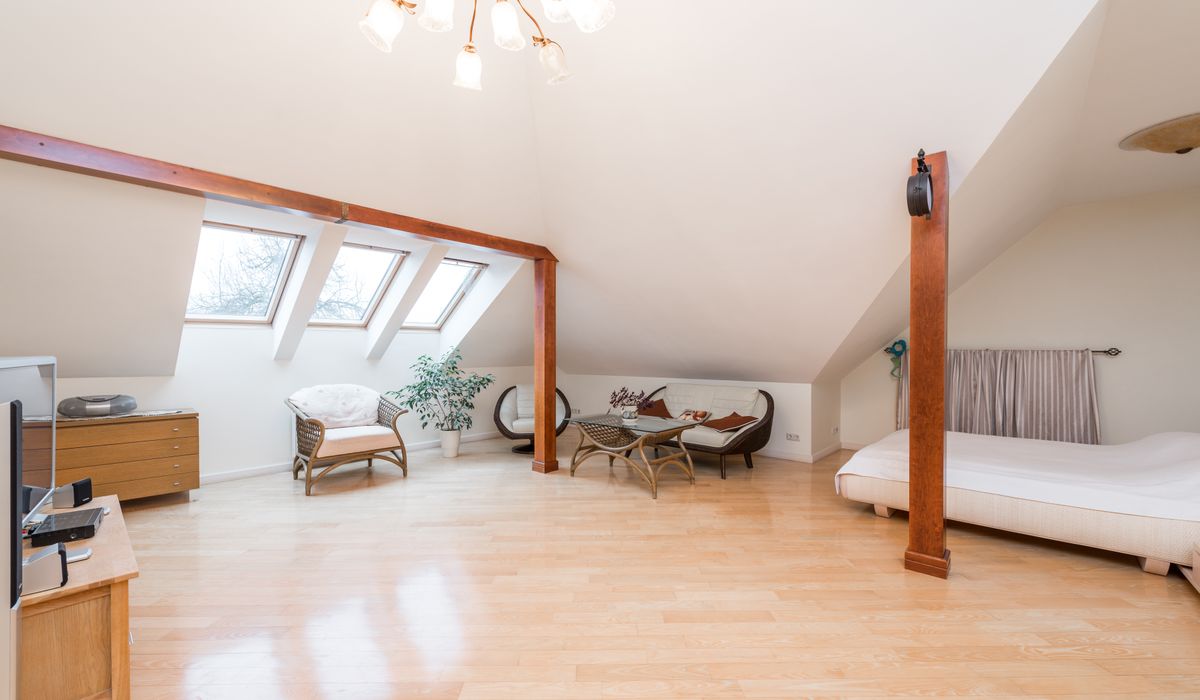
A loft is one of the few places in a busy UK home where you can shut the door and genuinely leave the rest of the house behind. Away from the kitchen radio, the front door and the general traffic of family life, it gives you the quiet that focused work needs. That said, lofts have their own quirks, and a little planning before you carry the desk upstairs will save a lot of frustration later.
Start with three practical checks. First, head height: aim for at least two metres of clearance where you will sit, and remember that roof slopes fall away quickly. Second, power and internet: a loft office needs its own sockets on a properly protected circuit, plus a reliable Wi-Fi signal — a mesh node or a powerline adapter often solves the last few metres. Third, ventilation. Lofts are prone to condensation, so keep a trickle vent open or fit an extractor, and make sure the roof space is insulated to current standards. If your loft is still bare joists and insulation rolls, a boarded floor with a proper access hatch turns a storage void into a usable room.
Daylight is the single biggest contributor to a calm, wakeful workspace, so plan the desk around your windows rather than squeezing it into the first gap you find. As a rule, sit side-on to a window so light falls across your desk. Facing the window directly means glare on the screen all morning; sitting with your back to it means your own shadow falls across your keyboard from about two o'clock onwards.
If you have no window at all, treat lighting as a design job: a mix of ceiling and task light, angled to soften shadows, will stop the space feeling like a cupboard.
Lofts are naturally echoey. Sloping plasterboard, hard flooring and a lack of soft surfaces bounce every keyboard tap and phone call around the room, which quickly wears you down. Acoustic comfort is mostly about adding absorbent materials.
Plants help too, both visually and by breaking up flat surfaces. A couple of ferns or a rubber plant near the window will make the room feel less like an attic and more like a study.
A calm office is usually a tidy one, and cables are the main culprit. Untangle them once, properly, and the room will feel different immediately.
Try to finish each working day with an empty desk surface. It takes two minutes and gives you a clean start the next morning.
Loft rooms are often the hottest part of the house in July and the coldest in January, because they sit directly under the roof. Insulating between and over the rafters helps enormously, and thermal blinds add a second layer at the window.
Those low spaces behind the knee walls are gold for a home office, but only if they stay organised. Fit sliding or lift-off doors, then divide the interior into labelled zones: archive paperwork, printer supplies, seasonal items, and a box for things you genuinely have not touched in a year.
Keep everyday items within arm's reach and long-term storage behind a closed door. A simple rule works well: if you need it weekly, it lives on the desk or in a drawer; if you need it yearly, it goes in the eaves. That single habit keeps the working area calm, and the loft becomes the room you actually want to walk into each morning.


We are not gonna make spamming
